Mission
The Human Rights Film & Digital Media Initiative is a collaboration between the Department of Digital Media & Design and the Gladstein Family Human Rights Institute. By supporting innovative projects, providing hands-on learning experiences, and hosting dynamic, engaging events, the initiative seeks to foster the creation of and engagement with the next generation of human rights and social justice advocates and analysts through digital media.
Research
Armenian Memory Project
Under the guidance of filmmaker Catherine Masud, students enrolled in DMD 2200 Motion Graphics 1 (spring 2019) created an animated motion graphics video based on archival photographs from Dr. Armen T. Marsoobian’s Dildilian Photography Collection depicting early 20th Century Armenian life in Turkey, prior to the genocide that erased the Armenian community. Students from DMD 3998/5998 Visual Representation of Armenian Memory (fall 2019) created a second video called The Dildilians: A Story of Photography and Survival. Watch a panel discussion with Catherine Masud, Dr. Armen T. Marsoobian, and some of the student producers on YouTube. Learn more about the project via the Norian Armenian Project.
Bosnian Community Oral History and Digital Archiving Project
Spearheaded through the Human Rights Archives 1 & 2 course sequence, this project brings together students and members of Connecticut’s Bosnian Community in the documentation of community members’ family stories, supplemented with digital artifacts from their personal collections. These materials are then used by students to create web-based exhibits and short documentary films which are shared with Community members and other interested organizations for educational purposes. Some of these projects have also gone on to win awards in competitions and film festivals.
Courtroom 600: Virtual Reality Encounter with Evidence of the Holocaust, Greenhouse Studios
This 3D interactive virtual reality (VR) experience explores histories of the Holocaust through archival materials. Read more about the project through Greenhouse Studios and on UConn Today.
Legacy of Nuremburg
For some seventy-five years, the Nuremberg trials have symbolized the principles of dispassionate justice and the rule of law even when cries of vengeance threaten to carry the day. Thomas J. Dodd, a future U.S. Senator from Connecticut and the father of U.S. Senator Christopher J. Dodd, spent fifteen long months as part of the US legal team at the first and most significant trial in 1945-46, serving as the Executive Trial Counsel – the number two prosecutor in the U.S. contingent. During this time, he wrote hundreds of letters home to his wife Grace. Later these letters, along with an extensive collection of documents and photographs from the trial, were gifted to UConn Library’s Archives and Special Collections.
In 2021, a group of UConn students, in collaboration with the Archives and under the supervision of filmmaker and faculty member Catherine Masud, worked together to produce a short documentary on the International Military Tribunal at Nuremberg. This story is partly told through Dodd’s letters and also features Christopher Dodd and others reflecting on Dodd’s role and the enduring significance of Nuremberg in today’s turbulent and challenging times. The short documentary, Letters from Nuremburg, can be watched online.
The Making of Gabriel
“The Making of Gabriel” is a creatively visualized short documentary film (~40 minutes) that brings to life the earliest surviving autobiographical account (1595) of an enslaved Ethiopian in the early modern Indian Ocean world. This innovative short film, co-directed by University of Connecticut faculty members Dr. Janie Cole and Catherine Masud, and produced by Music Beyond Borders, recreates for the first time the astonishing and profoundly moving 16th-century rare life history of Gabriel, a Beta Israel Jewish child who was kidnapped from the Ethiopian highlands and sold into slavery in the Arab world, and his transitions through interconnected African, Arab, Indian and European worlds as a Jew, a Muslim and a Christian to his final encounters with the Portuguese Inquisition in Goa.
Education
Select Course Highlights
Documenting & Curating Community Memory and Human Rights Archives 2: Visual Storytelling Practices
HRTS/DMD 3640 & HRTS/DMD 3641: The Human Rights Archives 1 & 2 course sequence introduces students to oral history interviewing, digital archive curation, and visual storytelling, working with survivors of genocide and their descendants.
Human Rights Through Film
HRTS 3149/3149W: A 3-credit undergraduate course exploring cinematic representations of human rights issues. The course analyzes both the substantive content and technical aspects of films via lectures, screenings, and discussions.
Public Engagement
The Human Rights Film+ Series
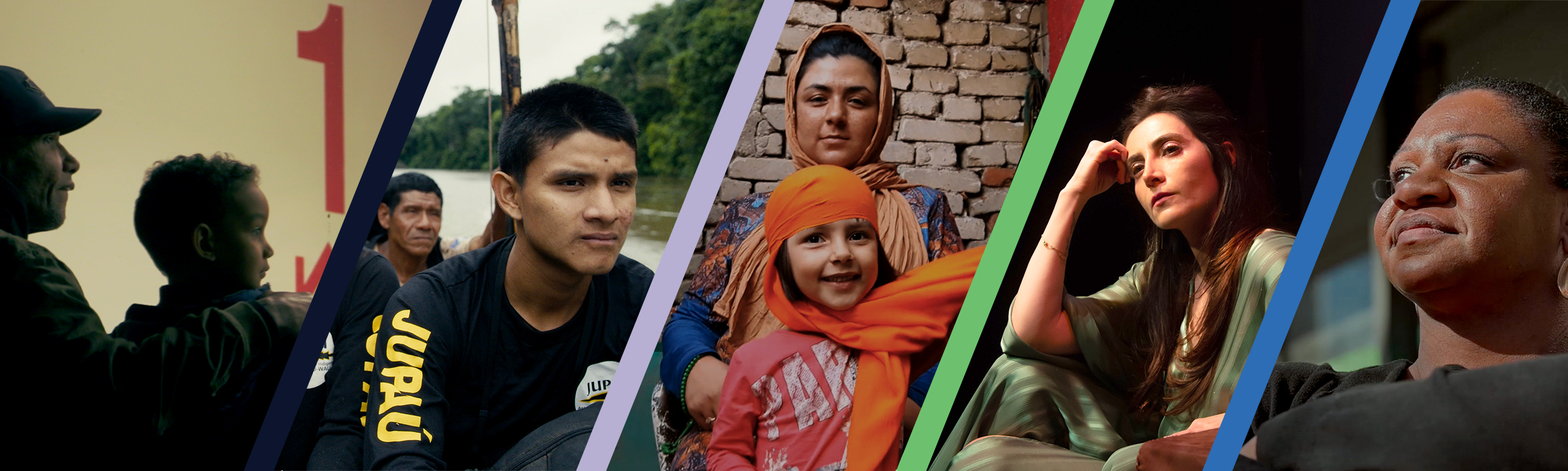
The Human Rights Film+ Series presents new and classic works of documentary, feature, and journalistic film, as well as video games and other digital media, that address key human rights issues and themes. A cornerstone of the Human Rights Film & Digital Media Initiative, it is presented by the Gladstein Family Human Rights Institute and the School of Fine Art’s Department of Digital Media & Design.
The Human Rights Film+ Series was initiated in 2005 and has foregrounded critical human rights issues spanning local to global levels through the medium of film. The Series has featured experienced and emerging filmmakers in conversations about their films, engaging students, faculty, staff and community members through post-show discussions. The Series organizers have partnered with varied units on campus to address themes such as civil rights as human rights, economic and social rights, and art and activism. In 2020, we expanded the Series to “Film+” to include other forms of digital media, including games and animation.
Events
Upcoming Events
-
Nov5Human Rights Film+ Series: Holding LiatThe Dodd Center for Human Rights4:00 PM
Join us for a screening of Holding Liat and discussion with director Brandon Kramer. In the weeks after Liat’s kidnapping, her father Yehuda begins a mission to secure his daughter’s release while refusing to let her captivity be used to justify violence in Gaza. His efforts reveal rifts within the family, as each generation grapples with their fracturing emotional and political perspectives.
News
-

The film tells the story of attorney Stephen Bingham, a Connecticut native who became a fugitive after being accused of helping spark a 1971 prison uprising
-
‘Creating media that unites, that’s something that I really want to do with my films’
-
Oscar Guerra’s first Frontline documentary was judged the Best News Story in a Newsmagazine at the 2021 Emmy awards
-
Seeing the landmark trials through the eyes of U.S. prosecutor Thomas Dodd


Our People
Leadership

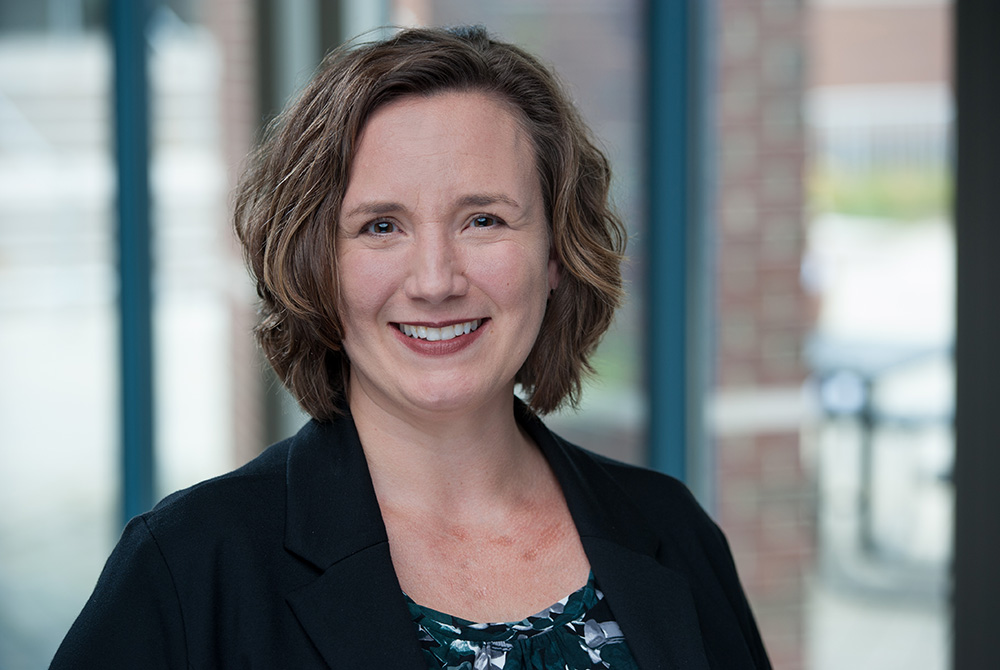
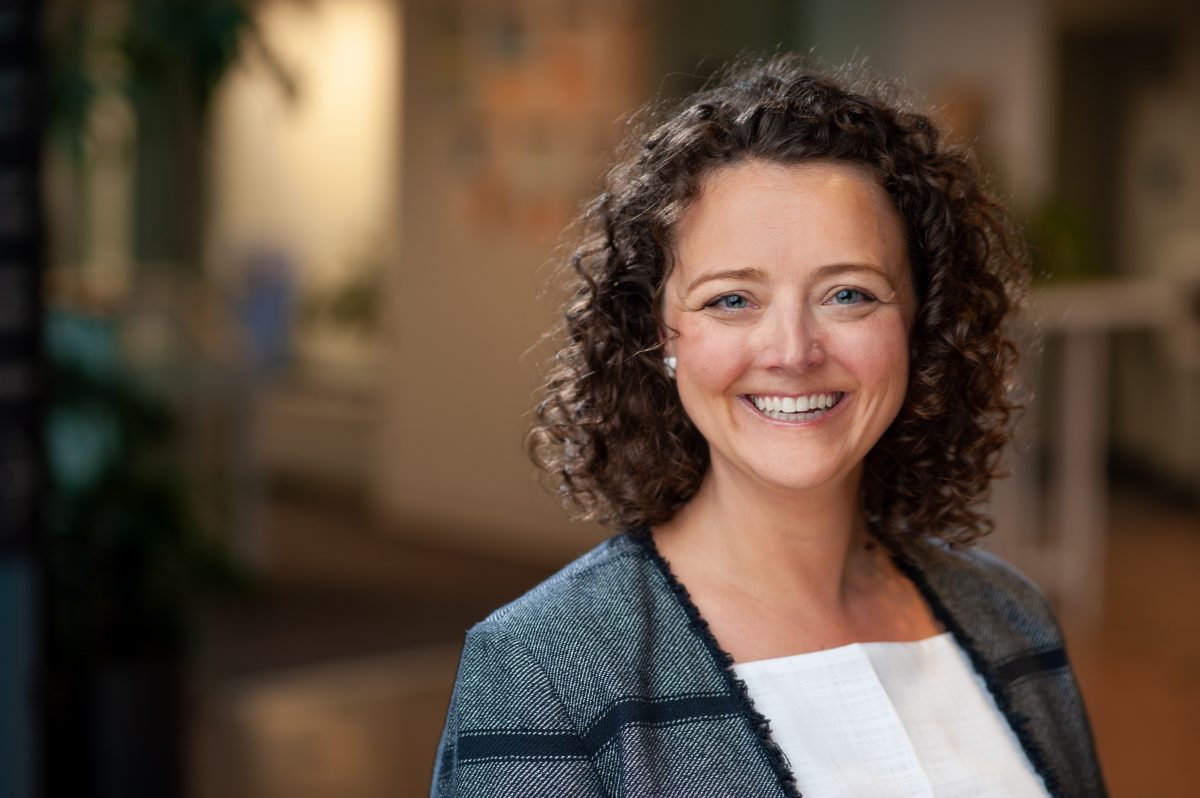
Heather Elliott-Famularo
Department Head, Digital Media and Design
Professor, Digital Film/Video Production