
The wars in the former Yugoslavia followed the breakup of the Socialist Federal Republic of Yugoslavia in the early 1990s. Conflicts occurred in Slovenia, Croatia, Bosnia and Herzegovina, and later Kosovo, driven by competing nationalist movements, territorial disputes, and ethnic tensions. The wars resulted in widespread atrocities, including war crimes, crimes against humanity, mass killings, forced displacement, rape as a weapon of war, and the 1995 Srebrenica genocide, in which more than 8,000 Bosniak men and boys were killed.
The International Criminal Tribunal for the former Yugoslavia (ICTY) was established by the United Nations Security Council in 1993 to prosecute individuals responsible for serious violations of international humanitarian law committed during the conflicts. It was the first international war crimes tribunal since the Nuremberg and Tokyo trials after World War II. The ICTY prosecuted genocide, crimes against humanity, war crimes, and grave breaches of the Geneva Conventions, holding political and military leaders personally accountable regardless of their rank.
During its mandate (1993–2017), the ICTY indicted 161 individuals, including heads of state, senior military commanders, and political leaders from all sides of the conflict. Its judgments established important legal precedents, particularly in recognizing sexual violence as a crime against humanity and clarifying doctrines such as command responsibility. Beyond punishing perpetrators, the Tribunal contributed to documenting the historical record, supporting victims’ rights, and strengthening the development of modern international criminal law.
UConn’s ICTY Digital Archives provide access to a range of documents and other records associated with the work of the ICTY. The result of an ongoing collaboration between the Gladstein Family Human Rights Institute, the UConn Libraries, the Connecticut Digital Archive, and individual scholars, witnesses, and others involved in the Tribunal, the ICTY Digital Archives seek to make the work of the tribunal accessible to researchers, educators, students, and others. The project continues to work to identify, evaluate, process, and make available additional materials with the goal of advancing a better understanding of the work of the ICTY and the history of the conflict in the former Yugoslavia.
Curated Collections

The Srebrenica Genocide Archives Collections
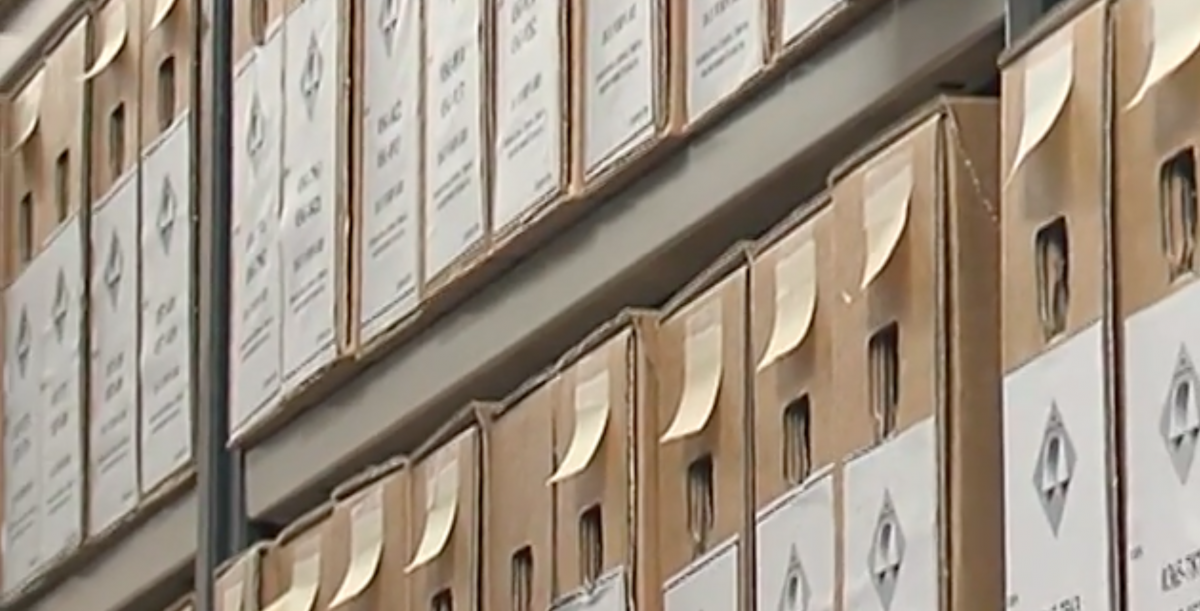
This curated collection offers documentation related to the 1995 genocide in Srebrenica, providing a focused lens on the investigation and prosecution of crimes committed during the conflict, drawing from primary sources that reflect both the experiences of survivors and the legal efforts to establish justice. By preserving and presenting these materials, the collection supports ongoing research, education, and public engagement with the history and legacy of the Srebrenica genocide. It also contributes to a deeper understanding of international criminal law and the long-term pursuit of accountability and reconciliation.
The Sexual Violence Legacy Archives Collection
This collection provides court records of wartime sexual violence recorded during the International Criminal Tribunal for the former Yugoslavia (ICTY). Since 1995, more than seventy individuals were charged with crimes including rape, sexual assault, and sexual enslavement, with nearly thirty convictions by early 2011. These records provide critical insights into the use of sexual violence as a tool of war, the experiences of survivors, and the development of legal precedents for prosecuting gender-based crimes.
The Bijeljina City Archives Collections
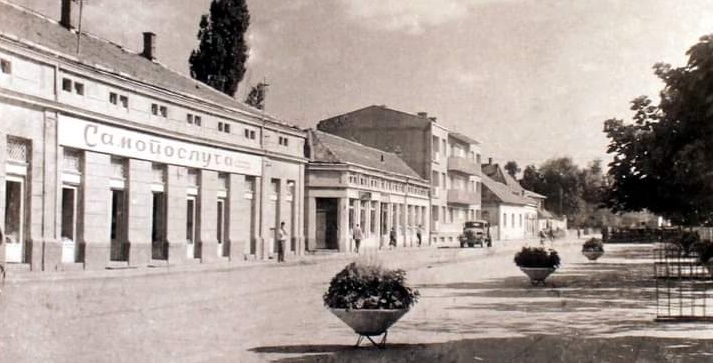
The Bijeljina City Archives Collections assembles important legal and historical records documenting the prosecution of key political and military leaders responsible for atrocities in Bijeljina, a city in northeastern Bosnia and the flashpoint of the Bosnian War. Centered on Bijeljina and its surrounding areas and originally preserved at the International Residual Mechanism for Criminal Tribunals (IRMCT) in The Hague, these materials offer a crucial window into the orchestration, execution, and consequences of systematic campaigns of ethnic cleansing, persecution, and violence.
The Goražde Legacy Archives Collection
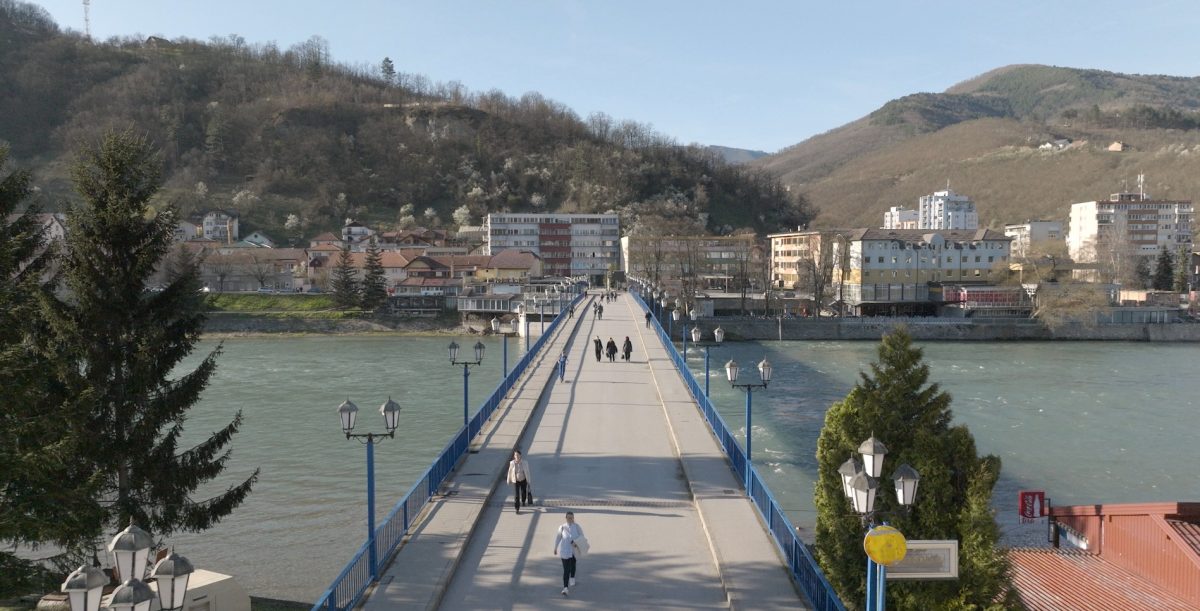
The Goražde Legacy Archives Collection is a joint project established between the Gladstein Family Human Rights Institute and the filmmakers of the documentary UNCONQUERED: Goražde – City of Heroes. This curated collection incorporates interviews, footage, and still images from the acclaimed feature film documenting firsthand testimony of the Bosnian Serb attacks and occupation of Goražde during the Bosnian War between 1992-1995.
Individual Collections

The Robert Donia Collection
The documents in the collection were admitted into evidence on July 22, 2010, in the case of The Prosecutor v. Radovan Karadžić, subsequent to being referenced in the testimony of Robert Donia. Robert J. Donia served as an expert witness at the International Criminal Tribunal for the Former Yugoslavia (ICTY).

The Predrag Dojčinović Collection
The records from The Prosecutor v. Ratko Mladić offer multifaceted historical, political, military, cultural and legal narratives, covering the time frame before, during and after the crime of genocide was committed against the Muslim population of Bosnia and Herzegovina between 1992 and 1995.

The Ellen Elias-Bursać Collection
The Ellen Elias-Bursać Collection offers an overview of translation and interpreting challenges that arose during the trials at the ICTY. The archive includes administrative documents, trial transcripts, official memoranda, judgements and other documents related to dilemmas and disputes posed by translations and interpreting of Bosnian/Croatian/Serbian (BCS) terms.

The András Riedlmayer Collection
András Riedlmayer’s Collection is an extensive archive documenting the systematic destruction by nationalist extremists of the cultural heritage of the former Yugoslavia during the series of international armed conflicts between 1991 and 1999. It includes meticulous records, photographs, and expert reports from Mr. Riedlmayer’s extensive fieldwork undertaken for the ICTY, detailing the destruction of libraries, archives, mosques, churches and other cultural sites in Bosnia and Herzegovina, Kosovo, and beyond.

The Dan Saxon Collection
The Dan Saxon Collection is a compilation of records and materials from the United Nations International Criminal Tribunal for the Former Yugoslavia’s (ICTY) trial of General Momčilo Perišić. The collection contains prosecution and defense exhibits, trial transcripts, legal briefs, documents, videos and photos describing the coordinated assistance in men and materiel provided by the Federal Republic of Yugoslavia to the armies of Republika Srpska and Republika Srpska Krajina from 1992-1995.

The William B. Tomljanovich Collection
The William B. Tomljanovich Collection encompasses documentary evidence regarding Croatian and Herceg-Bosna leadership. This evidence was gathered during his tenure as Research Officer in the ICTY Office of the Prosecutor’s Leadership Research Team from 1999-2011 and the ICTY Prosecutor’s Office Appeals Team from 2011-2017. Tomljanovich’s collection includes materials used in various ICTY prosecutions including the Prlić et al., Naletilić-Martinović, Kordić-Čerkez, Blaškić and Gotovina et al. cases, The collection reflects his extensive work reviewing documents found in the HVO collection of the Croatian State Archive (where roughly 10,000 boxes of wartime materials are found) and transcripts from the office of the President of the Republic of Croatia as well as other sources.

The Christian Axboe Nielsen Collection
The Christian Axboe Nielsen Collection presents a comprehensive selection of materials submitted by historian and expert witness Christian Axboe Nielsen during key trials at the International Criminal Tribunal for the former Yugoslavia (ICTY). Focused on the role of the Bosnian Serb police and their links to Serbian state authorities, the collection offers critical insights into the organization of state violence during the 1990s conflicts in Bosnia and Herzegovina at both the central and local levels. This collection reflects Nielsen’s extensive experience as an analyst and expert witness before international and domestic courts, and his scholarly contributions to the study of mass atrocities and political violence.
ICTY Related Courses
UConn offers the following human rights related courses that utilize the ICTY public records and the exisitng ICTY Digital Archives collections:
Introduction to Genocide Studies
Instructor: James Waller
This course offers an interdisciplinary introduction to genocide studies, examining critical aspects of this complex phenomenon from historical, legal, social, political, and conceptual perspectives. Students explore the definition and dynamics of genocide, distinguishing it from other forms of mass violence, and investigate the circumstances and factors that can lead to such atrocities.
Contemporary Issues: Genocide Studies
Instructor: James Waller
This course is an interdisciplinary analysis of critical topics in contemporary studies of genocide including the legal and social meaning of genocide and crimes against humanity, the causes and dynamics of genocide and mass atrocities, the immediate and intergenerational effect of genocide on individuals and groups, the question of accountability, and the role of perpetrators and bystanders. The course also examines deeply divided societies and the risk factors that can lead to large-scale violent conflicts, including genocide and other atrocity crimes.
Human Rights Archives I and II
Instructor: Catherine Masud
A two-part course sequence focused on human rights archives and digital storytelling. The courses combine hands-on archival work with creative storytelling techniques. The sequence aims to document, preserve, and share community memories and histories, creating an important resource for ongoing scholarship while strengthening university-community relationships.
Theory and Practice of International Criminal Justice
Instructor: Predrag Dojčinović
This course aims to provide each student with a broad understanding of the complex challenges, successes and failures of international criminal courts and tribunals. Students develop insights into the complex legal, political, philosophical, historical, military and cultural issues that may impact efforts to bring perpetrators of grave international crimes to justice.
ICTY Archives’ Path to The Dodd Center for Human Rights
Publications
The following publications trace the development of the ICTY Digital Archives and their importance:
View the Publications
Truths, Memories and Historians in the Archives of the International Criminal Tribunal for the Former Yugoslavia
Robert Donia
pp. 223–228 in H.G. van der Wilt, J. Vervliet, G.K. Sluiter. J.Th.M. Houwink ten Cate (eds), The Genocide Convention: The Legacy of 60 Years (Martinus Nijhoff Publishers, Leiden 2012)
OTP-ICTY Digital Archives Project Proposal
Complete documentation on file with Predrag Dojčinović
2014-2016
Safeguarding the Hague Tribunal’s Unique War Archives, Balkan Transitional Justice
Richard A. Wilson, Robert J. Donia, Saskia Baas
March 30, 2016
Op-ed: Preserve the Archives of the Yugoslavia Tribunal, NRC Handelsblad
Saskia Baas and Richard Ashby Wilson
April 4, 2016
The Truths of the War, Leuven Transitional Justice Blog, Institute of Criminology at the University of Leuven
Predrag Dojčinović
October 11, 2018
Opening Open Collections: De-Mystifying International Legal Records
Connecticut Digital Archive Connect | Medium
Greg Colati
Sep 21, 2020
Archiving for Justice, Truth, and Memory: Unpacking the Baggage of What Went Before
UConn Today | James Waller
July 16, 2025
The Archive Of The Yugoslavia Tribunal “It’s your legacy too”
Original Dutch Article: Het archief van het Joegoslavië Tribunaal ‘Het is ook júllie erfenis’
De Groene Amsterdammer | Tjitske Lingsma
November 12, 2025
Curators
The archival collections have been developed by a multidisciplinary curatorial team whose expertise and dedication ensure the preservation of the historical record of international justice while providing responsible access to sensitive materials.